Color Magic: How Color Schemes Tell Stories and Build Big Ideas
A color scheme (or sometimes called palette) is one of the first building blocks in many art and design projects.
Before we start drawing, painting, or building, choosing a set of colors helps us imagine what our project might look and feel like. Is it bright and energetic? Calm and cool? Warm like a sunset?

When kids pick a color scheme first, it’s like making a plan for their artwork. It helps them think about the mood, the story, and the parts they want to include. Starting with colors also makes decisions easier later, because all the pieces of the project can match and work together. In this way, a simple color palette becomes a powerful tool for creativity and thoughtful design.
When we look at a logo, poster, classroom wall, or even a toy store, the colors often tell us how we should feel before we even read the words. Designers carefully choose color schemes (a group of colors used together) to communicate ideas.
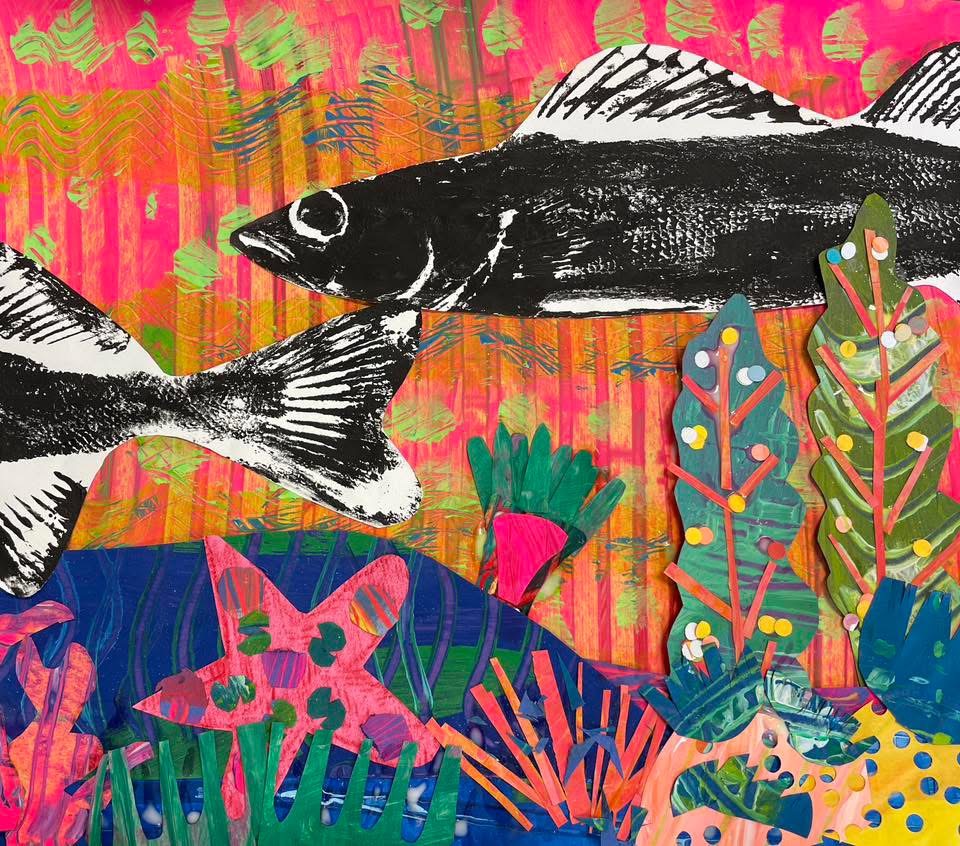
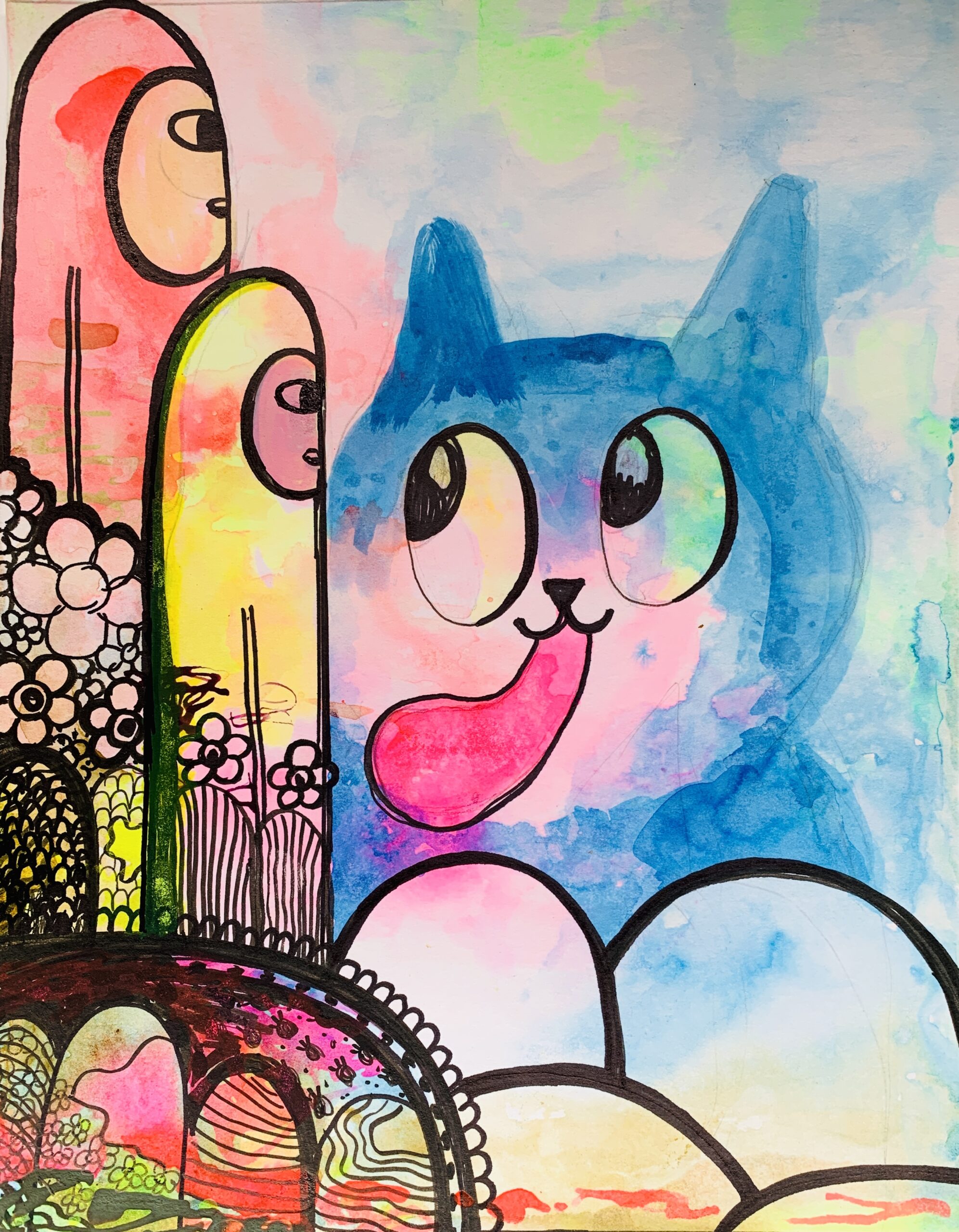
In art and design, color is a message. A good palette can make something feel exciting, calm, scientific, playful, or trustworthy.
Let’s explore how different color schemes create different moods!

🔬 Example 1: The Science Lab Palette
Common colors:
- White
- Light blue
- Silver/gray
- Bright green accents
Why these work
These colors make people think of:
- Clean lab coats
- Glass beakers
- Technology and experiments
Light blue and white feel clean and precise, while green reminds us of chemistry liquids or biology.
You’ll often see palettes like this in:
- Science textbooks
- STEM posters
- Tech company branding
Feeling: Clean • Smart • Experimental • Modern
🧸 Example 2: The Kids Store Color Scheme
Common colors:
- Bright red
- Sunny yellow
- Sky blue
- Bubblegum pink
- Lime green
Why these work
Kids stores want to feel fun and energetic. Bright, saturated colors grab attention and feel playful.
These colors remind kids of:
- Toys
- Candy
- Balloons
- Cartoon characters
Designers often mix many bright colors together to create excitement and curiosity.
Feeling: Playful • Energetic • Happy • Loud
🏫 Example 3: The School Palette
Common colors:
- Primary red
- Primary blue
- Bright yellow
- White or black for contrast
Why these work
These colors are easy to recognize and feel clear and structured, which is great for learning materials.
Primary colors are often the first colors children learn, so they feel familiar and educational.
You’ll see them in:
- Classroom posters
- Educational apps
- School supplies
Feeling: Friendly • Educational • Clear • Organized
🌿 Example 4: The Nature / Outdoor Scheme
Common colors:
- Forest green
- Earthy brown
- Sky blue
- Soft beige
Why these work
These colors come directly from nature. They make us think about:
- Trees
- Dirt
- Sky
- Rivers
Designers use these palettes for:
- Environmental projects
- National parks
- Nature documentaries
Feeling: Calm • Natural • Healthy • Peaceful
🍦 Example 5: The Sweet Treat Palette
Common colors:
- Pastel pink
- Mint green
- Cream
- Lavender
- Peach
These soft colors remind people of:
- Ice cream
- Candy
- Frosting
Pastels feel sweet and gentle, which makes them perfect for bakeries or dessert brands.
Feeling: Cute • Sweet • Cozy • Delicious

✏️ Classroom Activity: Create Your Own Color Story
Step 1: Pick an Idea
Choose one of these themes:
- A space station
- A dinosaur museum
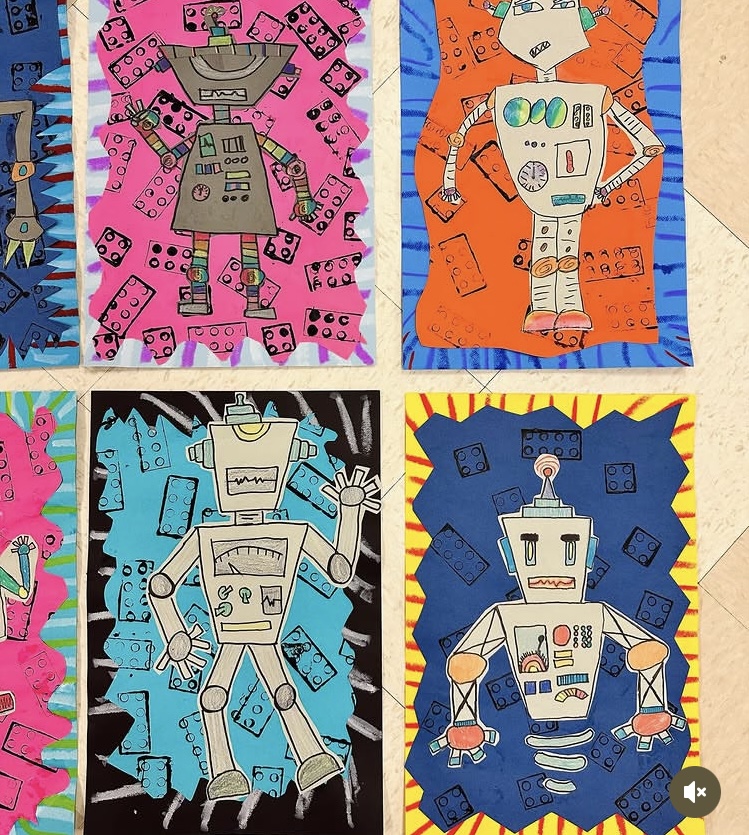
- A robot factory
- A magic potion shop
- A superhero school
Or invent your own!
Step 2: Choose 4–5 Colors
Ask yourself:
- Should it feel exciting or calm?
- Should it feel modern or magical?
- Should it feel bright or mysterious?
Draw five color squares to create your palette.
Step 3: Create a Mini Poster
Using your palette, design a small poster that includes:
- A title (example: “Robot Factory”)
- Shapes or drawings
- Your chosen colors
Try to only use your palette colors.
Step 4: Share and Discuss
Ask students:
- What feeling does this palette create?
- What story does the color combination tell?
- Which colors stand out the most?
More Activity Ideas: Match the Color Scheme!
Try this fun design challenge. Look at a few different color schemes and think about what they might be used for. For example, a bright scheme with red, yellow, and blue might fit a toy store. A calm scheme with soft blues and greens might work for a relaxing website or spa. A bold black, white, and neon color scheme could be perfect for a cool sneaker brand.
Lay out several color schemes and several ideas (like a bakery, a sports shoe, a kids’ game website, or a nature park). Then match each color scheme to the idea you think fits best. There’s no single right answer—just think about how the colors make you feel and what kind of story they tell!
Short on time? Have the kids guess which color schemes for which big brands. Kids love this!
Matching color schemes to ideas helps young children practice several important design and thinking skills. 🎨
Colors have Numbers for Names!
Did you know that colors can have special names made of numbers? Designers often use color systems to make sure they are using the exact same color every time. One famous system is called Pantone, where each color has its own number. For example, a bright pink or a deep blue might be labeled with a Pantone number so printers and designers around the world can match the color perfectly.
In digital design, colors also have codes called HEX numbers. A HEX code looks something like #FF5733 and tells computers exactly how to display that color on a screen. Even though we might call something “blue” or “green,” designers use these numbers to be very precise.
💡 Teacher Tip
Before the activity, show students examples of real-world color palettes from packaging, apps, or posters. Kids quickly realize that designers are always using color to communicate ideas.
Learning Outcomes
Understanding color schemes and their uses help children practice several important design and thinking skills. 🎨
First, it teaches them how colors communicate feelings and ideas. Kids begin to notice that bright colors might feel playful and exciting, while soft blues and greens can feel calm and peaceful. This helps them understand that artists and designers choose colors on purpose to send a message.
Second, it builds decision-making and reasoning skills. When children choose which color scheme fits a bakery, a sneaker brand, or a website, they have to think about why a certain set of colors works better than another. They start explaining their choices, which strengthens creative thinking.
Third, the activity encourages visual literacy—the ability to understand and interpret images and design. Kids learn that colors are part of how brands, products, and websites communicate with people.
Finally, it helps them practice planning before creating. Instead of jumping straight into making something, they learn that designers often start by choosing a color scheme to guide the whole project. This shows them that good design involves both creativity and thoughtful planning. 🌈