Grid Your Way to Great Portraits: Success for Young Artists
Drawing a human face can feel intimidating. The eyes, nose, mouth, and proportions all have to line up just right, and even small mistakes can make a portrait look “off.” That’s where the trusty grid method comes in—your secret weapon for tackling complex subjects.
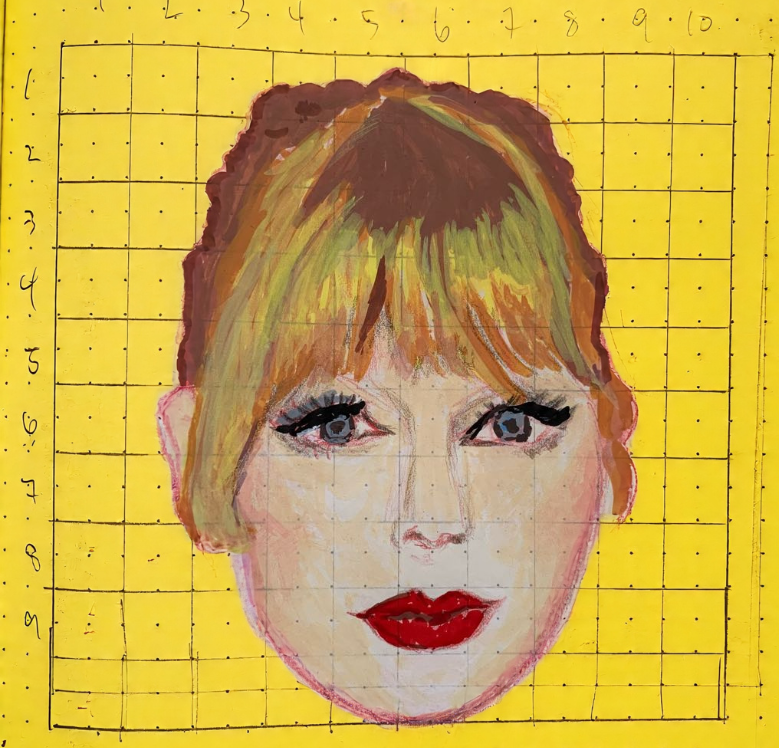
The grid method works by breaking a reference image into smaller, manageable sections. You draw a corresponding grid lightly on your paper, then tackle one square at a time. This helps you focus on placement, proportion, and detail without feeling overwhelmed.
Try an example everyone can recognize. Because recognizable faces are familiar, using a grid makes it easier to capture the correct proportions and placement of features.
Here’s how to do it:
- Choose a reference photo – Pick a clear image of your subject’s face. A straightforward, frontal photo works best for beginners.
- Draw a grid on the reference – Divide the photo into equal squares. For a small drawing, 1-inch squares work; for a larger portrait, try 2–3 inches.
- Draw a corresponding grid on your paper – Make sure your paper grid has the same number of squares as the reference.
- Copy one square at a time – Don’t try to draw the whole face at once. Focus on the shapes and lines in each square.
- Refine and erase the grid – Once your portrait looks right, gently erase the grid lines and add shading, texture, and finishing touches.
Pro tip for painters:
- If you’re using oil or acrylic, you can often paint right over the grid since these mediums are opaque and will cover pencil lines.
- If you’re using watercolor or other transparent mediums, it’s important to erase the grid lines first. Otherwise, they may show through the paint and distract from your final piece.
This method is a fantastic way to gain confidence, especially when drawing faces that feel tricky. The grid keeps your proportions in check and allows you to focus on details without getting lost in the bigger picture.
So next time you’re staring at a complex subject, remember: when in doubt, grid it out. Try it with a familiar face you know well and watch your drawing (or painting!) skills soar!