🎨 Every Shade is Beautiful: Helping Students Paint People from All Backgrounds
Welcome!
In the art room, we get the special privilege of helping students learn to see the world—and themselves—in new ways. Whether we’re mixing colors, painting portraits, or exploring different cultures through art, we’re also helping students understand people, emotions, and identity.
One small but powerful way to do that?
Teach students to paint people of all skin tones, features, and backgrounds.
Not only does it improve their artistic skills—it also builds respect, understanding, and confidence.
Why This Matters in the Art Room
When we teach students how to look closely at people—really look—they begin to notice all the beautiful variety in faces, skin, and expression.
Things like:
- The way lighting affects different skin tones
- How to mix paint to match someone’s unique coloring
- How features like eyes, hair, and bone structure differ from person to person
This kind of attention helps students become better artists—and better observers of the world around them.
Plus, when students paint people who look like themselves and people who look different from them, it helps everyone feel included and appreciated.
What It Looks Like in Class
Here are a few simple ways we do this in our art room:
🎨 Mix a Full Range of Skin Tones
Instead of using one “skin color,” we let students experiment with mixing their own using primary colors. They quickly learn that no two skin tones are the same—and that’s part of the fun!
🧑🏽🤝🧑🏿 Use a Variety of Reference Photos
We provide images of people from many different backgrounds so students can see and paint real examples of the world’s diversity.
🧑🎨 Paint Real People
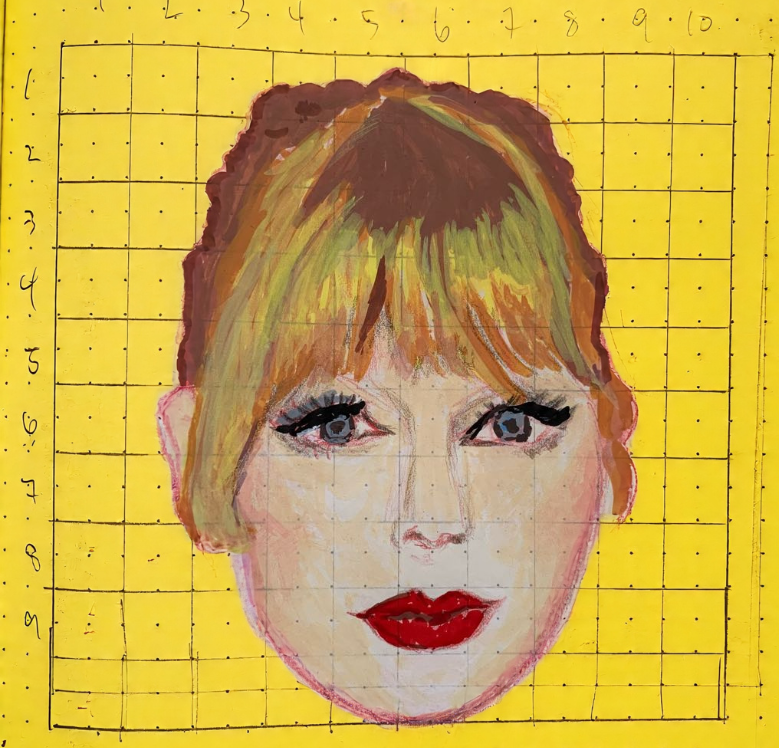
Students often create self-portraits or paint someone they know well, like a friend or family member.
But another great option?
🦸♂️ Paint a Hero from a Different Background
One powerful twist on the classic portrait project is to have students choose a hero or role model from a different ethnicity, culture, or background—someone they admire deeply, even if they don’t share the same life experience.
It could be:
- A historical figure from another country
- An artist, musician, athlete, or activist from a different culture
- An author, scientist, or leader whose story inspires them
This is a great way to spark curiosity and help students learn about people they may not have known much about before. It’s also a chance to talk about what makes someone a hero—and how art can celebrate that.
You might even ask:
“Why did you choose this person?”
“What can we learn from their story?”
“How can we show their personality through our painting?”
How This Connects to IB and Global Thinking
In IB schools, we talk a lot about being open-minded and globally aware. Art is a natural place to practice that.
When students paint someone who doesn’t look like them—or explore artwork from a culture they’re not familiar with—they’re learning to be curious, respectful, and thoughtful.
They also reflect on questions like:
- How do artists show identity through portraiture?
- What makes each person unique?
- How do different cultures represent people in their art?
These are meaningful conversations, and they happen naturally during the creative process.
A Lesson You Can Try
Project Idea: Portraits of Heroes
- Students choose a personal hero or role model. It can be themselves, someone they know, or someone from a completely different background who inspires them.
- Teach how to observe skin tones, light, and facial features.
- Let students experiment with color mixing to match the person’s unique tones.
- Encourage them to add something symbolic to show why that person is their hero (e.g. colors, clothing, background details).
Wrap it up with a short reflection:
“What did you learn about this person while painting them?”
“How did painting them help you appreciate who they are?”
“What makes every person worthy of being a portrait subject?”
Final Thoughts
When we help students see every shade as beautiful—and every person as worth painting—we’re doing more than teaching art.
We’re helping them grow into kind, thoughtful individuals who appreciate others, take pride in themselves, and feel confident expressing their view of the world.
And that’s what makes the art room such a powerful place.