🌿 Can Process Art Have a Theme? (Spoiler: Yes, It Can!)
One of the beautiful things about teaching art in early childhood is watching children get completely lost in the process—mixing colors, smudging paint, swirling their brushes without a care in the world for what the final product looks like. That’s the magic of process art.

But if you’re working in a classroom with a structured curriculum (hello, themed units!), you’ve probably asked yourself:
Can I still do process art if I’m expected to teach with a theme?
The answer is a big, joyful YES—you just have to approach it with a little creativity and flexibility.
🎨 Wait… What Is Process Art Again?
Process art is all about the experience of creating, rather than making a perfect or polished product. There’s no “right” way for the art to look. It’s about:
- Exploring materials
- Making choices
- Expressing feelings and ideas
- Letting go of outcomes
It’s messy, open-ended, and child-led—which is exactly why it’s so valuable in early childhood.
🌈 So What Happens When You Add a Theme?
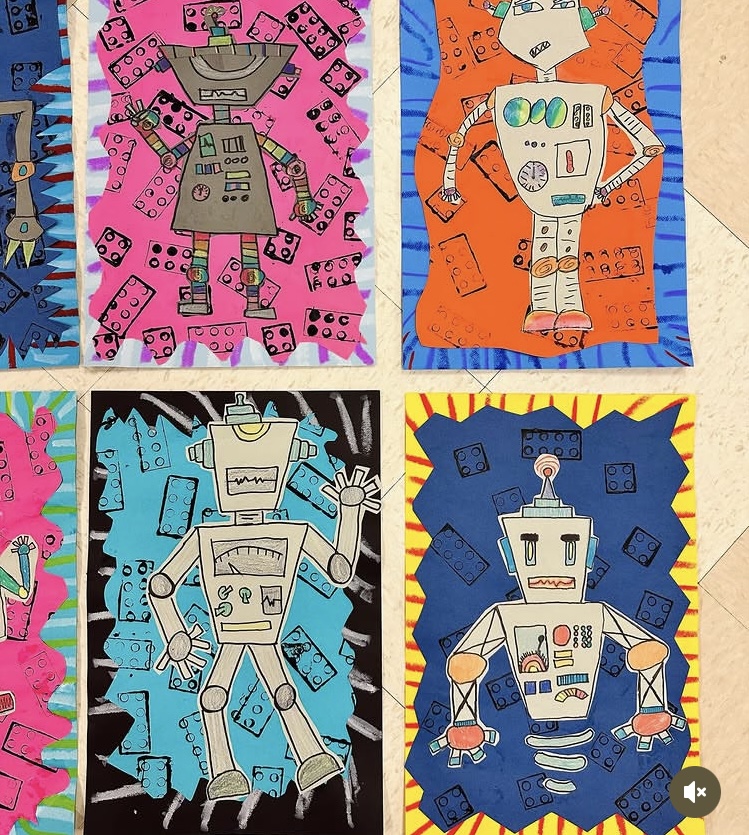
Themes like “Rainforest,” “Feelings,” or “Community Helpers” are great tools for building cross-curricular connections. But in art, themes can sometimes lead to cookie-cutter crafts: everyone making the same toucan with the same colored feathers glued in the same place.
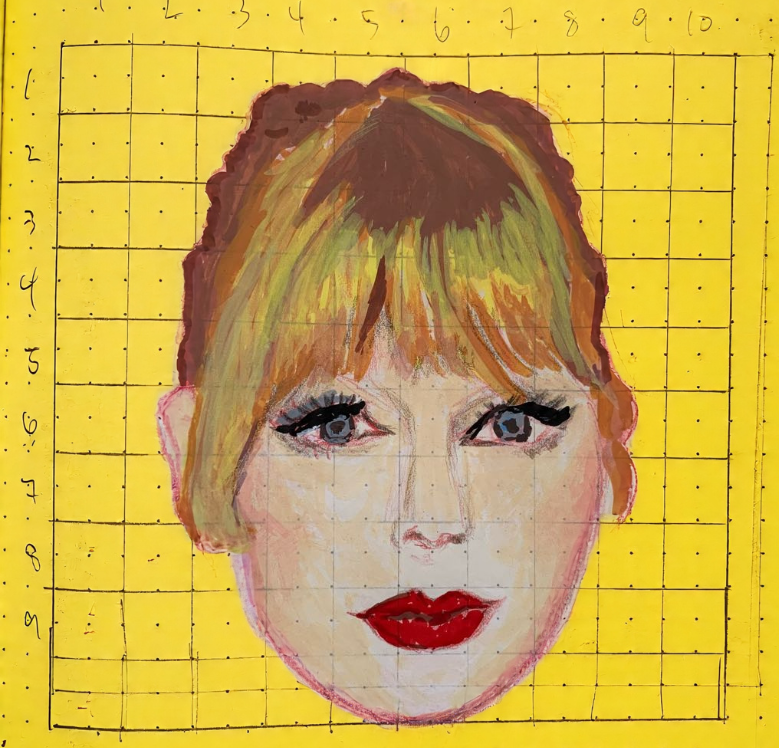
That’s not process art—that’s following directions.
The good news is: you can absolutely explore a theme without sacrificing creativity.
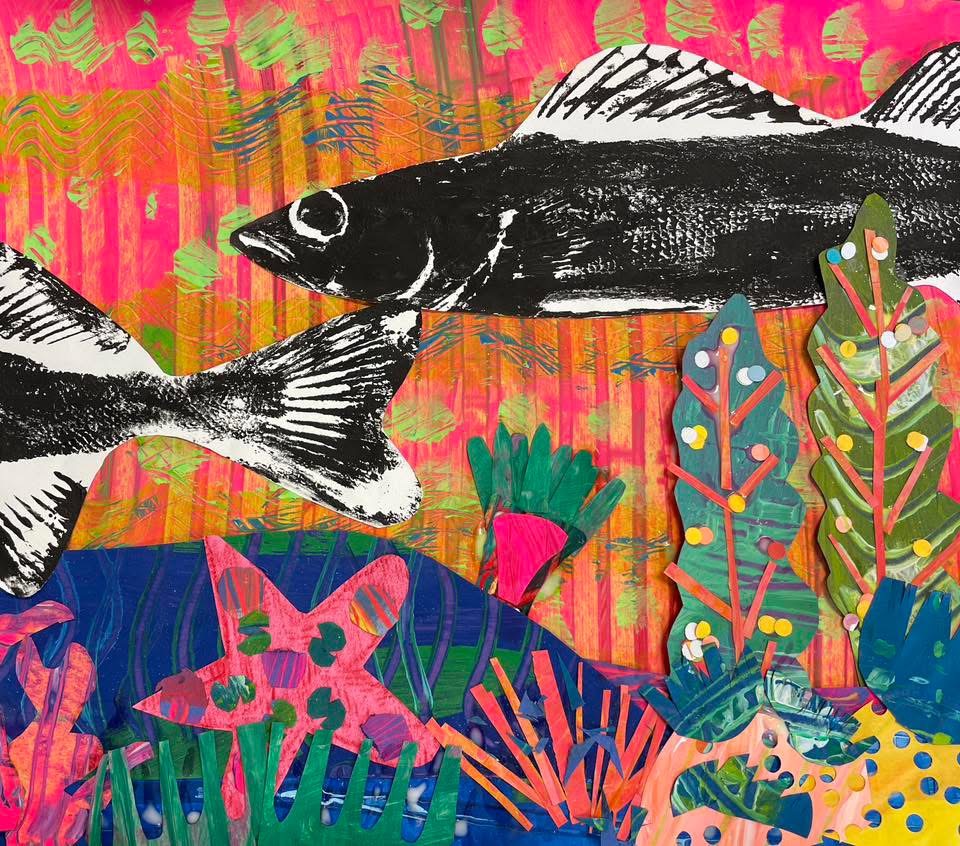
🌿 A Rainforest Example: Process Art in Action
Let’s say your classroom is learning about the rainforest this week.
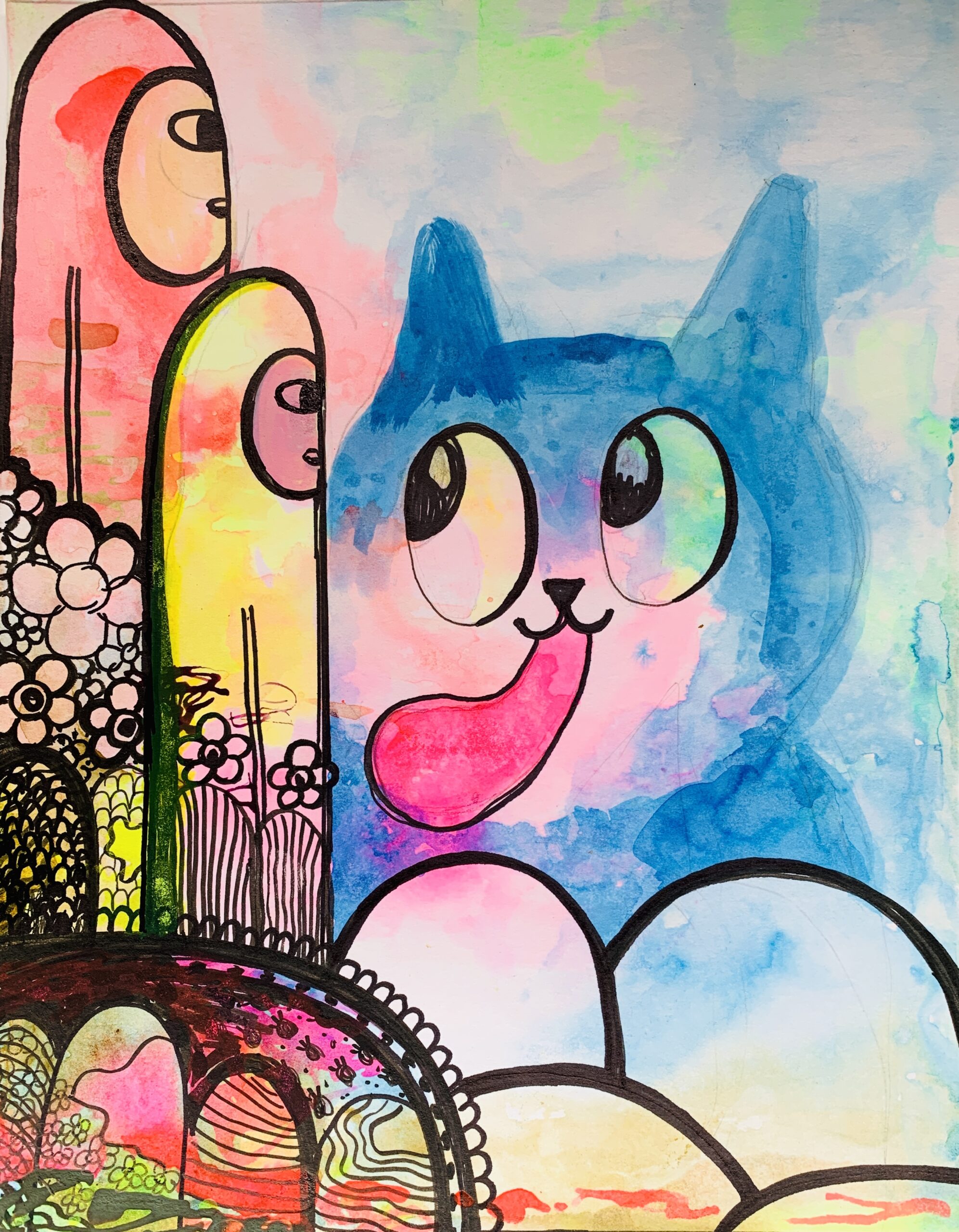
Here’s how you can invite children into a process-based watercolor painting experience that ties beautifully into the theme—without limiting their creativity:
- Set the stage with inspiration.
Fill a table or rug area with rainforest books from your classroom library. Let children flip through and find something that catches their eye—maybe it’s a bright blue morpho butterfly, a twisty vine, or a colorful frog. - Offer open-ended materials.
Set out watercolor paints, brushes, trays of water, and a variety of papers. That’s it—no templates, no step-by-step instructions. - Extend a gentle invitation.
Say something like:
“What did you notice in the books? Is there a shape or color you’d like to explore with paint?”
“You can paint anything you want—it could be something from the rainforest, or something it made you think about.” - Then step back and let the magic happen.
Some children might try to paint a specific animal. Others might be more interested in the colors and shapes they saw, or just how the paint moves on wet paper. Every response is valid—and every piece is unique.
💬 Why This Works
Even though there’s a theme (the rainforest), the art experience remains open-ended. Children are:
- Making their own choices
- Connecting their art to what they find interesting
- Developing confidence and creativity
- Exploring materials at their own pace
That’s exactly what process art is all about.
🧡 Themes as Invitations, Not Expectations
The key is to treat your theme as a jumping-off point, not a set of instructions.
Here are a few quick tips:
- Ask open-ended questions instead of giving step-by-step tasks
- Provide themed materials, but let kids decide how to use them
- Allow for off-theme exploration (it’s all connected anyway!)
🖌️ Final Thoughts
So yes—you can absolutely do process art with a theme. It just takes a shift in mindset: from “Let’s all make the same thing” to “Let’s see where your ideas take you.”
When we give kids the freedom to explore and express, even within a theme, we’re helping them grow not just as artists, but as thinkers and creators.
Next time your classroom dives into a new theme, try this:
Gather some inspiring books, offer rich materials, and say,
“Paint what stood out to you.”
You might be amazed by what they create.
Let the theme inspire—but let the process lead.
That’s where the real learning (and the real joy!) lives.