Why Manga and Anime Belong in Art Education: Inspiring Creativity Through Japanese Visual Culture
Manga and anime aren’t just forms of entertainment—they’re rich, visual languages that can inspire and elevate student creativity in the art classroom. Rooted in centuries of Japanese visual tradition, these styles blend storytelling, dynamic composition, and emotional expression in ways that deeply resonate with young artists. Incorporating manga and anime into art education doesn’t dilute learning; it deepens it, offering students new techniques, cultural context, and a powerful creative outlet.

1. The Artistic Depth Behind Manga and Anime
Too often, manga and anime are dismissed as “cartoons,” but they are sophisticated forms of visual storytelling. From the cinematic perspectives in Attack on Titan to the subtle line work of Studio Ghibli films, there is a wide range of artistic skill involved. Teaching these styles can open students’ eyes to the impact of:
- Expressive facial anatomy
- Gesture drawing and dynamic poses
- Background design and perspective
- Visual pacing and panel composition
This helps students grow not only as illustrators, but also as visual narrators.
2. Cultural Awareness Through Japanese Art Traditions
Manga and anime also serve as entry points into broader Japanese artistic traditions—like woodblock printing, calligraphy, and ink painting. Educators can use these modern styles to trace back historical art forms and discuss how culture, history, and language shape visual expression.
3. Tool Exploration: From Brush Pens to Markers
One of the best ways to engage students is by introducing the tools manga artists actually use. Beyond pencils and erasers, manga-focused lessons can incorporate special materials that elevate line work and coloring.
✒️ Brush Pens and Calligraphy Ink Pens
These tools are perfect for creating bold, expressive outlines. Brush pens mimic the traditional ink brush while offering modern convenience. They help students:
- Practice pressure control
- Achieve varied line weights
- Explore stylized contour drawing
Calligraphy pens, especially those with felt or nib tips, are also great for clean, precise inking—mirroring techniques used by professional manga artists.
🖍 Elevating Marker Work
Alcohol-based markers like Copic or Ohuhu are prized in manga art for their blendability and vibrant tones. In an art lesson, students can:
- Layer colors for shading and depth
- Create gradients and lighting effects
- Explore character color palettes and mood boards
Pairing these with inking tools teaches planning and discipline—students learn to ink before coloring, and to work light-to-dark for layering.
4. Lesson Ideas to Try
Here are a few classroom-ready project ideas that bring manga and anime into your curriculum:
- “Design Your Own Manga Character”: Focus on costume, personality, and expressive poses.
- “Create a One-Page Manga”: Teach storytelling, layout, and visual pacing.
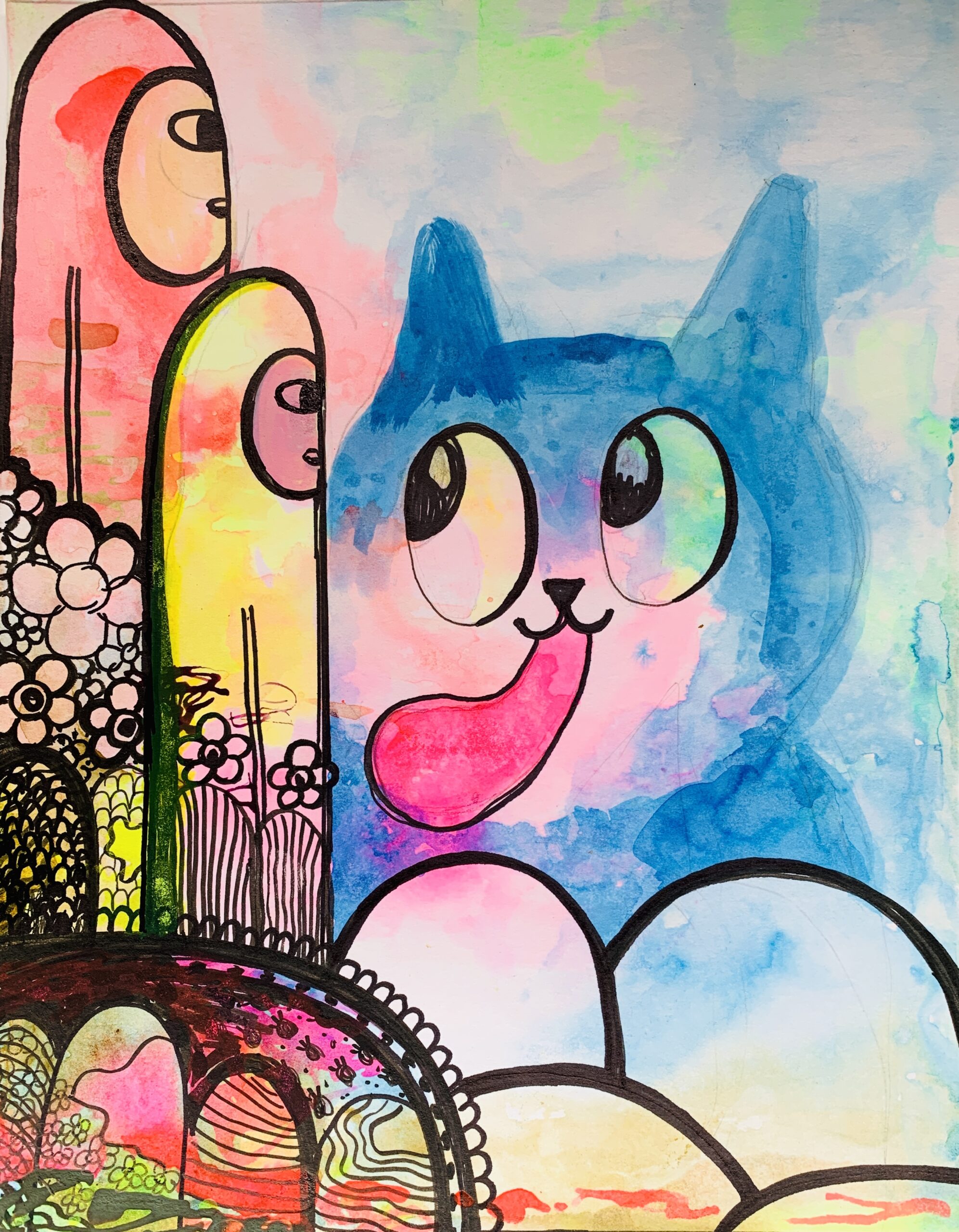
- “Marker + Ink Portraits”: Use brush pens for outlines and alcohol markers for skin tones, shading, and hair.
- “Anime Background Study”: Break down backgrounds from anime scenes and recreate them using perspective techniques.
5. A Pathway to Passion and Skill
Students who love manga and anime are already passionate—so why not channel that into skill-building? By validating their interests and teaching the craft behind these styles, you foster confidence, discipline, and creative exploration.
Bringing manga and anime into the classroom isn’t just trendy—it’s transformative.
Conclusion:
Art education should be as dynamic as the students it serves. Manga and anime offer unique opportunities to merge technical skill, cultural appreciation, and personal expression. With the right tools and thoughtful guidance, educators can turn fan art into fine art, and curiosity into lifelong creativity.