🎨 Art Lesson: Visual Storytelling Through Mood & Atmosphere
Theme: Mood, Atmosphere, and Expression
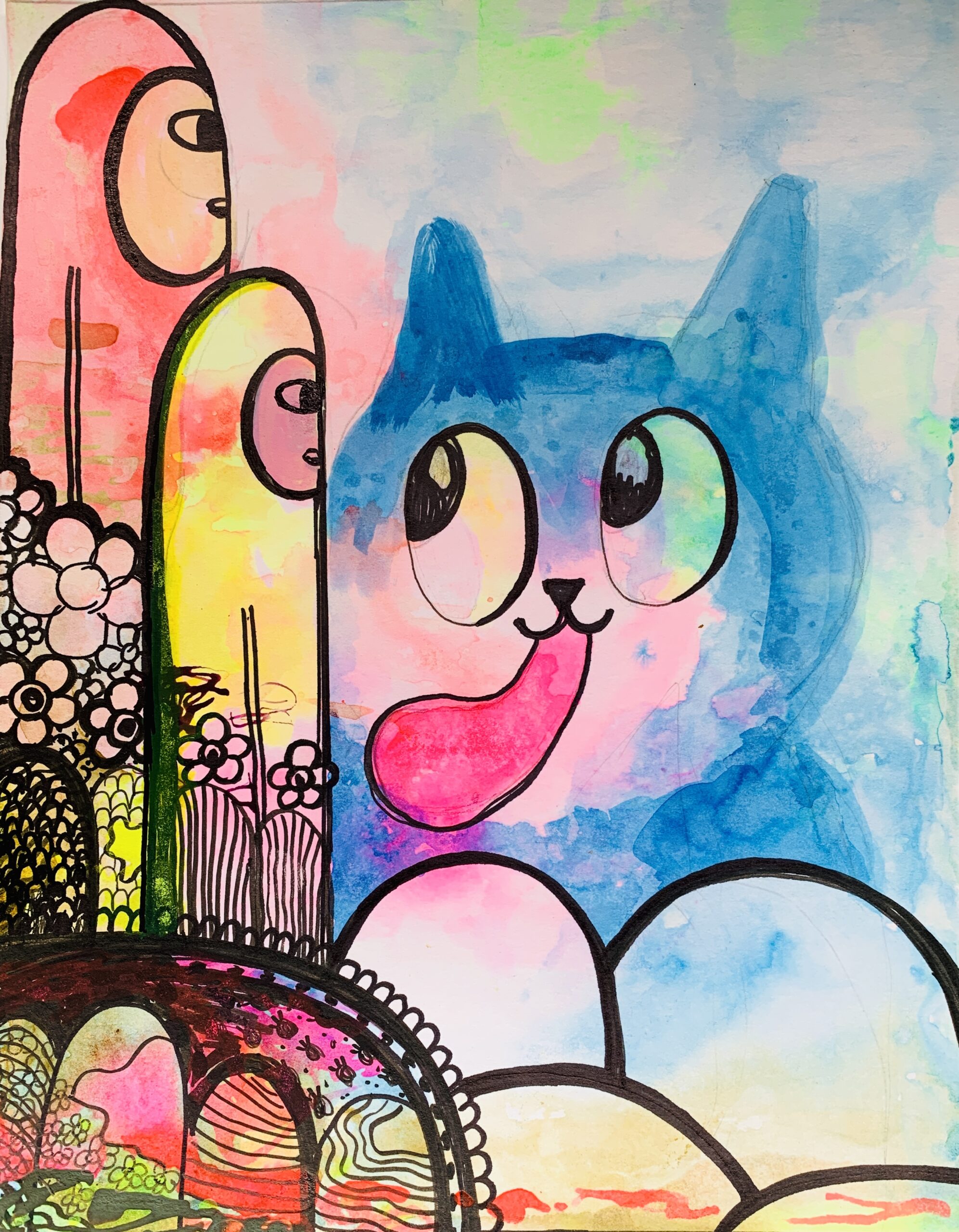
Welcome to this week’s art lesson, where we dive into the world of visual storytelling — the art of telling a story without words, through images alone. Today’s focus is on capturing emotion, mood, and setting using watercolor as your medium. Your subject? An animal — but not just any animal. One that speaks through its pose, its eyes, and the world it lives in.
🐾 Activity: Paint an Animal in Its Story World
This isn’t just about drawing a cute creature. It’s about imagining its life, its surroundings, and the feelings it evokes. Think of your animal as a character in a story. What has it just experienced? Is it curious, cautious, joyful, or sorrowful? Then, use your art to show us that world.
✏️ Step 1: Choose Your Animal
Pick an animal that inspires you. It could be something wild and majestic like a fox or wolf, or something soft and gentle like a rabbit or kitten. Ask yourself:
- What emotion might this animal convey?
- What kind of environment would reflect or contrast that feeling?
🖊️ Step 2: Sketch It Out
Start with a pencil sketch:
- Focus on body language and facial expression.
- Think about eye shape, ear position, or even tail movement — small details that express mood.
- Don’t aim for realism alone — aim for emotion.
🏞️ Step 3: Visualize the Setting
Where is your animal? Think beyond “a forest” or “a field” — consider:
- Time of day (dawn, dusk, night)
- Weather (rainy, foggy, sunny, windy)
- Season (winter chill, autumn leaves, spring bloom)
Let the background support the story. A lonely wolf in a snowy forest at twilight tells a very different story than a playful otter in a sunny stream.
🎨 Step 4: Watercolor It In
Here’s where your colors do the storytelling:
- Cool tones (blues, greys, purples) can suggest calm, sadness, or mystery.
- Warm tones (reds, oranges, yellows) bring energy, joy, or heat.
- Use layering and washes to build depth and light.
Let your brushstrokes reflect the feeling of the scene — soft and smooth for peace, jagged and sharp for tension.
Layer in details with colored pencils for contrast and impact.
👀 Step 5: Expression Matters
Go back to the face. Revisit the eyes — are they wide in surprise, narrow in thought? A small tilt of the head, a slight curve of the mouth — even in animals, these touches bring emotion to life.
🧠 Tips for Deeper Storytelling
- Name your character. Giving your animal a name can help bring its story into focus.
- Write a few sentences about what’s happening in the moment you’re painting. It can guide your choices.
- Ask yourself: What do I want someone to feel when they look at this?
The Science of Clouds
For visual artists and illustrators, capturing atmospheric details can elevate your storytelling and bring scenes to life with depth and emotion. Pay close attention to sky colors—warm reds and oranges at sunrise or sunset result from Rayleigh scattering, where light passes through more atmosphere and loses its blue tones. Midday skies are vibrant blue because shorter wavelengths scatter more directly overhead. That soft purple-blue glow near the horizon after sunset, known as the Belt of Venus, adds a surreal edge—perfect for mood-rich scenes. Cloud shapes also tell stories: dramatic cumulus clouds suggest energy and movement, while flat stratus clouds evoke calm or melancholy. Mist in valleys or forests forms when cool air traps moisture, adding layers of depth and softness. Observing and understanding these natural effects helps you create more immersive, emotionally resonant artwork that feels grounded in reality—even in fantastical worlds.
🌟 Final Thought
Art isn’t just about technique — it’s about connection. Through visual storytelling, you create a window into another world. With just one image, you can make someone pause, smile, wonder, or feel. That’s the magic of art.
So pick up your brush, pick your animal, and let your story unfold in color.
Happy painting!
Tag your work with #VisualStoryArt so we can see what you’ve created!