

-
Setsubun [節分] Seasonal Japanese Tradition Mask-Making & Coloring
![Setsubun [節分] Seasonal Japanese Tradition Mask-Making & Coloring](https://artmonstersacademy.com/wp-content/uploads/2026/02/9B653D62-C798-497E-A7E4-9825D359A73B.jpeg)
Setsubun: Welcoming Good Luck with Art 🎨👹 Last week at school, we celebrated the Japanese holiday Setsubun as part of a special cultural celebration. The day included Japanese student performances, haiku writing, calligraphy, and a traditional tea ceremony. Setsubun is a festival celebrated in early February in Japan that marks the transition from winter to
-
Pop, Pour, Print! Soda-Pop Powered Lithographic Art
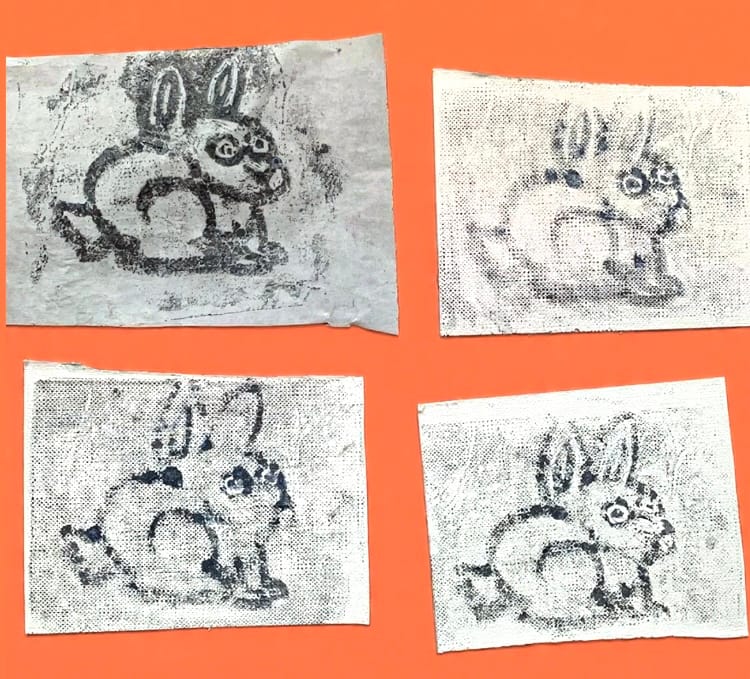
Kitchen Lithography: Printmaking Magic with Soda-Pop (Really!) I love a project that makes students say,“Wait… that worked??” Kitchen lithography is that project. It looks like legit, old-school printmaking… but we’re using foil, soda, and oil like we’re about to cook something instead of make art. It feels slightly unhinged and very science-experiment energy — which
-
Seeing Like an Impressionist: Crayon Sketchbook Studies
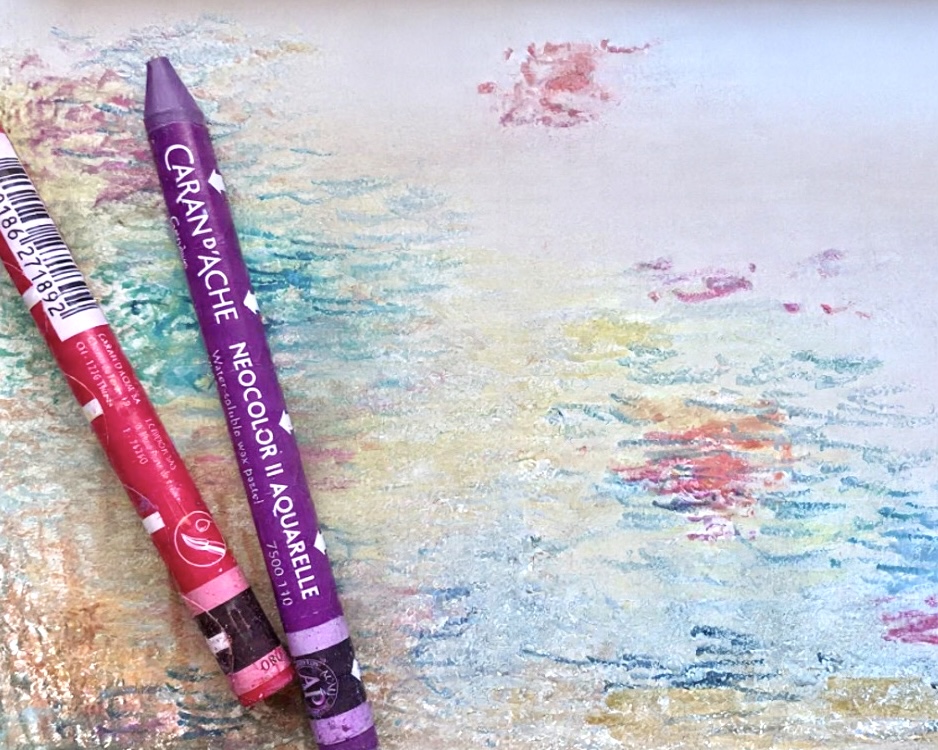
Seeing Like an Impressionist: Crayon Sketchbook Studies Painting with Crayons, Pastels, Dashes & Dots Some art lessons unlock a brand-new way of seeing.This week, Impressionism did exactly that. I brought in a handful of landscape reference photos — scenes filled with shimmering water, trees dancing in sunlight, and wide skies full of colour.Before we even began,
-
Impressionism In Real Life At the National Gallery Singapore
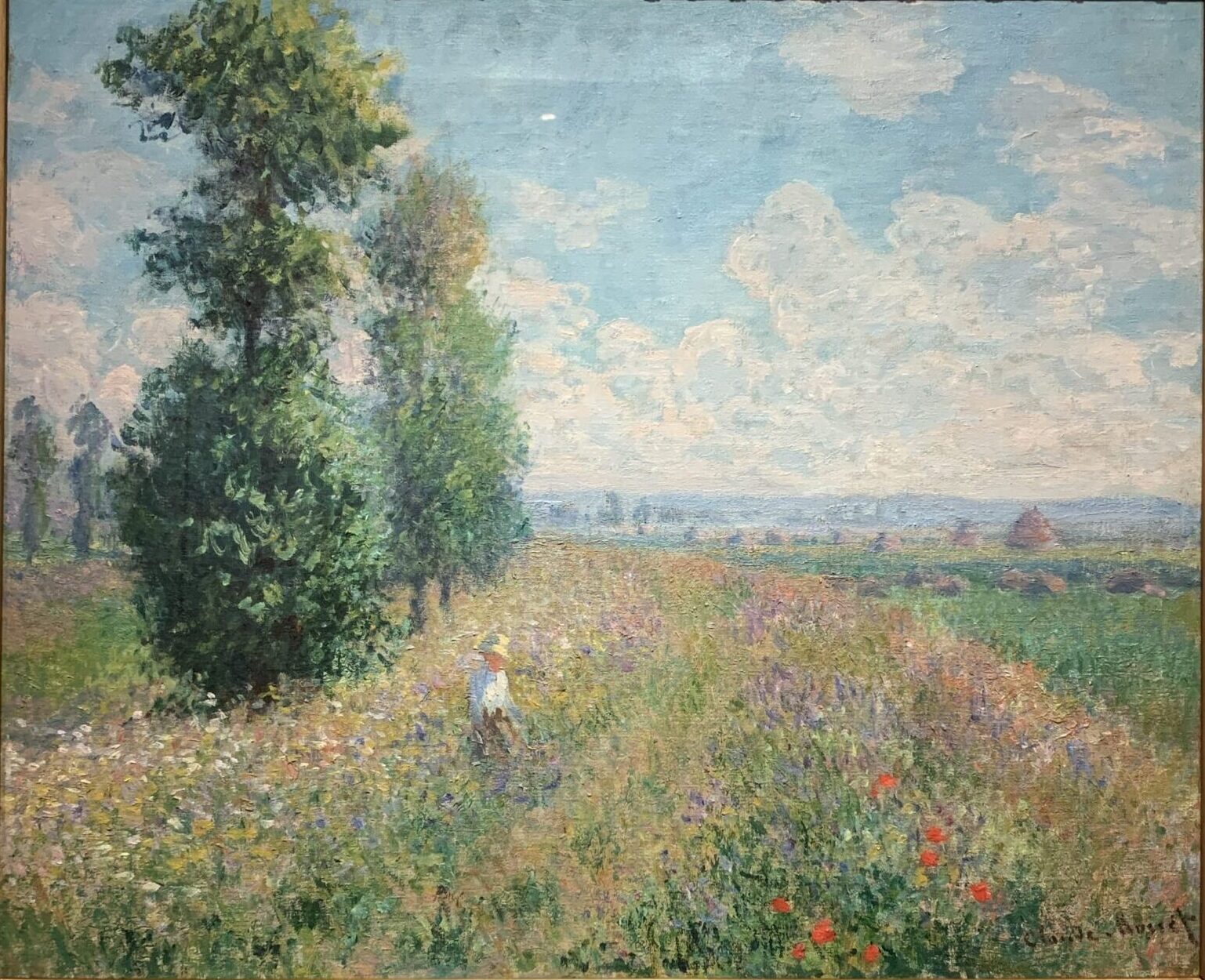
Seeing Impressionism in Person: Visiting Monet, Cézanne, Degas, and More at the National Gallery Singapore Standing in front of an Impressionist painting in a museum feels very different from seeing it in a book or on a screen. Brushstrokes become visible. Colors vibrate. Paint feels physical and intentional. During a recent visit to the National
-
East Meets Gold: Collaging Cultural Influence in the Style of Gustav Klimt
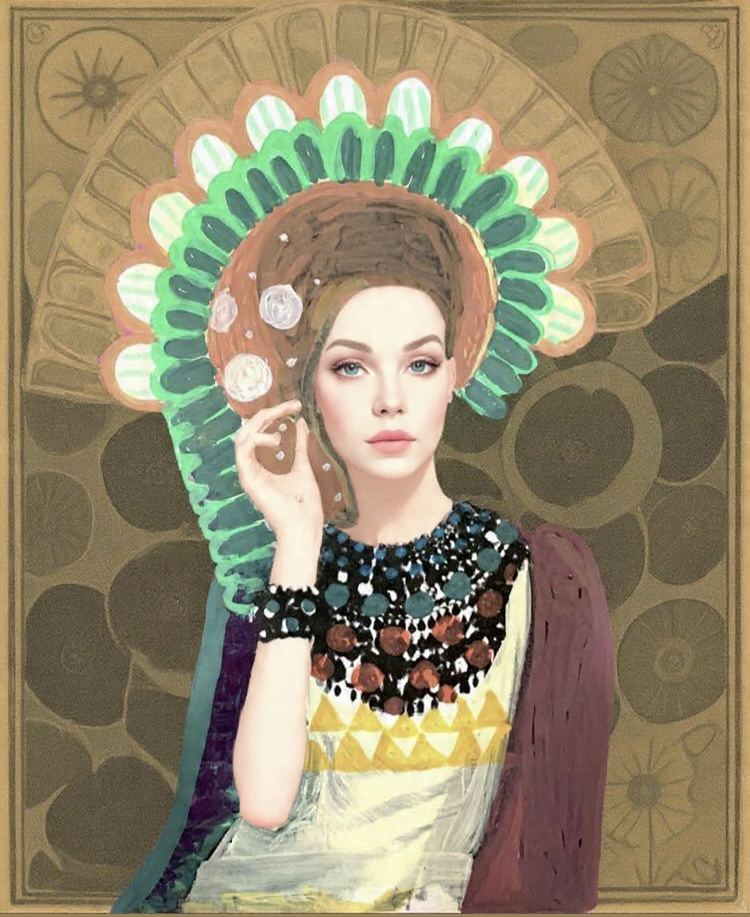
East Meets Gold: Collaging Cultural Influence in the Style of Gustav Klimt Having just returned from Vienna where I spent the winter break, I thought a lesson on Gustav Klimt and cross-cultural influences on his art would be a fantastic lesson. In Vienna, I spent time surrounded by the art and architecture of the Jugendstil movement –
-
From Hand to Algorithm: Sculpting with Air-Dry Clay and Generative AI
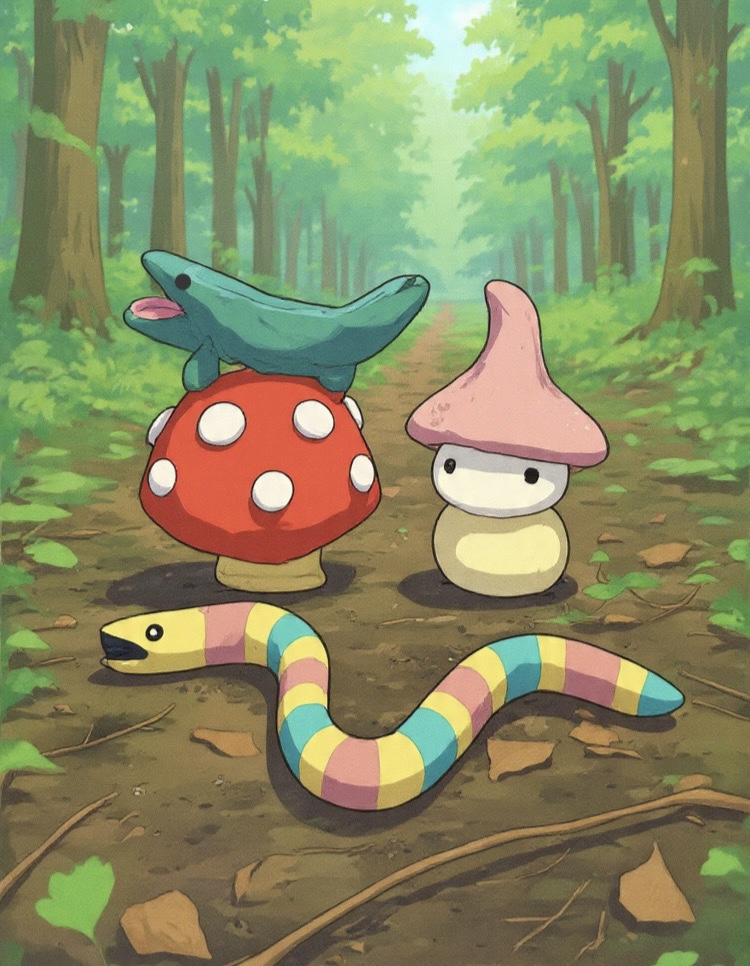
From Hand to Algorithm: Sculpting with Air-Dry Clay and Generative AI This week in the art room, our young artists stepped into an enchanted forest—well, a clay version of one! Using air-dry clay, students created whimsical woodland creatures: gnomes, mushrooms, tiny critters, and anything their imaginations could dream up. Although the project was full of
-
Pointillism: Tiny Dots, Big Picture
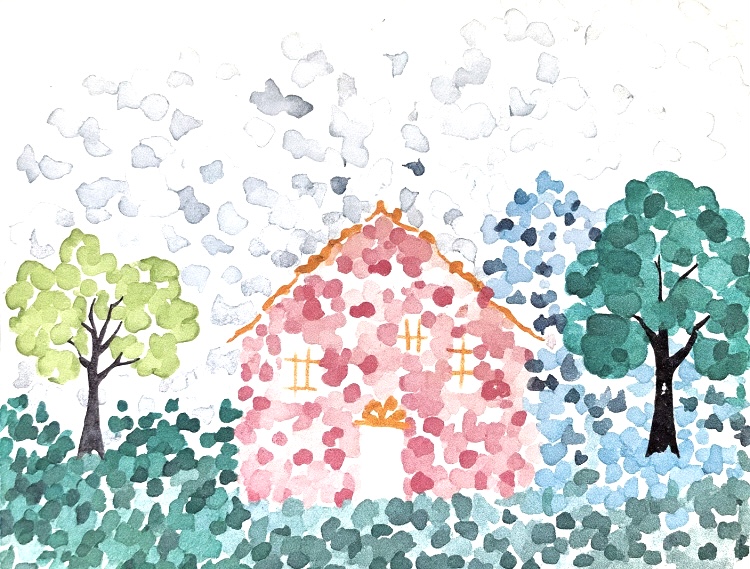
Pointillism: Tiny Dots, Big Picture Pointillism is a wonderful way to introduce young artists to the magic of color, patience, and creative decision-making. Using only a simple watercolor palette, primary students can experiment with how tiny marks come together to form a larger image—much like a visual puzzle their eyes solve as they step back
-
Exploring the Magic of Storytelling With Brown Paper Bag Hand Puppets
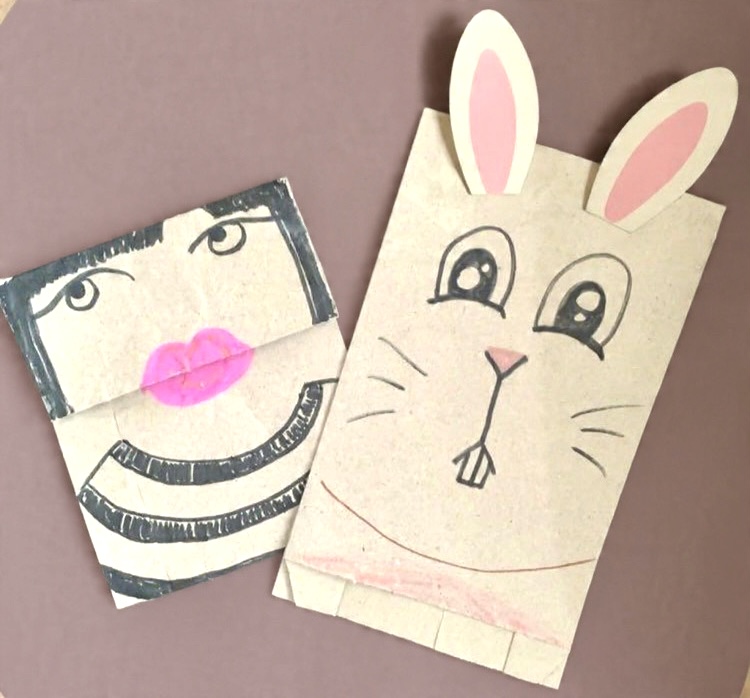
Brown Paper Bag Hand Puppets — “How We Express Ourselves” One of my favorite low-prep, high-creativity projects for our How We Express Ourselves unit is the classic brown paper bag hand puppet. It’s simple, open-ended, and perfect for letting students explore how characters, emotions, and stories can be expressed through art. Why Brown Paper Bags?
-
Magical Marbling for Little Artists – A Sensory Process-Art Adventure
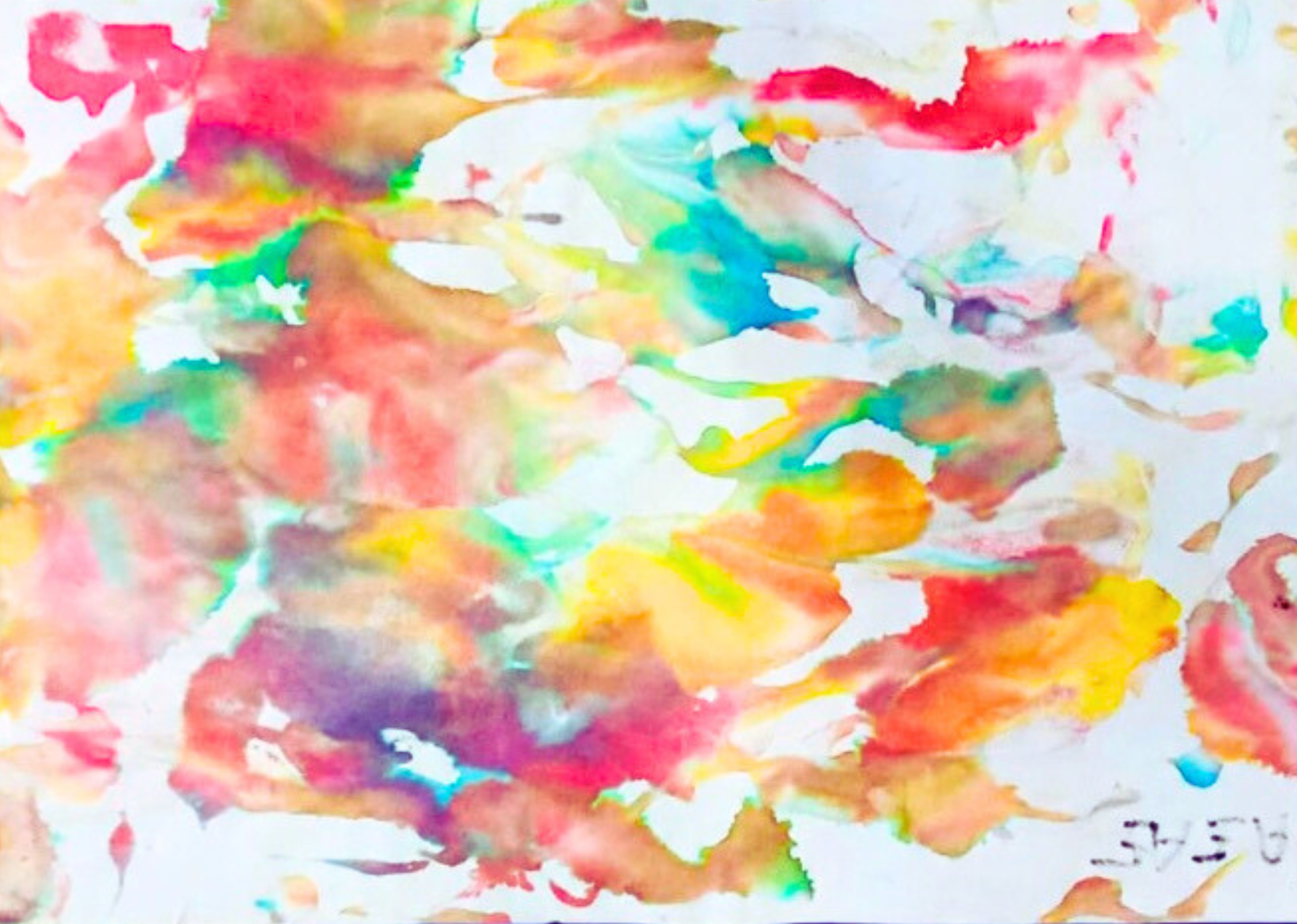
Magical Marbling for Little Artists – A Sensory Process-Art Adventure If you’re looking for an early-years art activity that is sensory-rich, low-prep, and absolutely enchanting, paper marbling with shaving foam is a classroom favorite! This simple technique uses everyday materials—shaving foam and food coloring or liquid paint—to create swirling, dreamy patterns that look far more
-
Teaching Kandinsky: Helping K-5 Students Hear Their Art
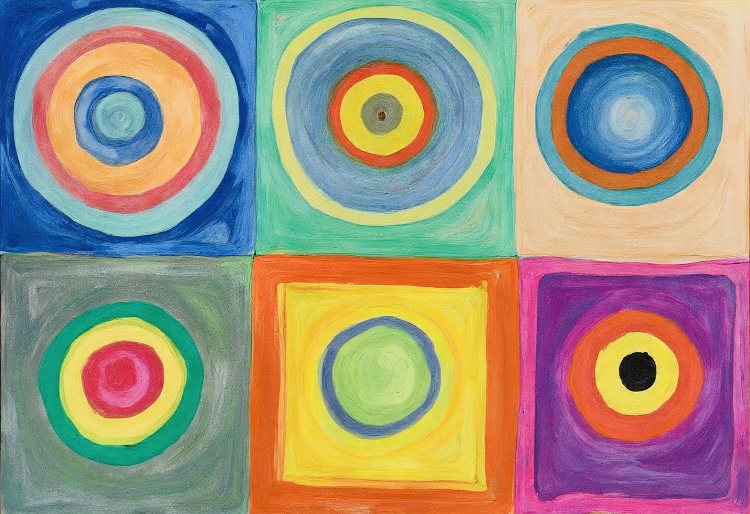
Teaching Kandinsky: Helping K-5 Students Hear Their Art One of my favorite units every year is introducing students to Wassily Kandinsky, the artist who believed colors and shapes could express emotions just like music. His abstract approach is incredibly flexible, which makes it perfect for a wide range of ages—from our curious kindergarteners to our reflective
Rebecca
Growing creative, confident global thinkers through art and design.
Recent Posts
- From Ocean Lab to Art Lab: A Bubble Painting Sea Jelly Investigation

- Divergent Thinking Art Lesson: Turning Paint Blobs Into Birds

- Recycled Bottle Flower: Turning Trash into Bold Sculptural Blooms

- Sew Sushi So Cute!

- Drawing in the Air: A String Sculpture Inspired by Ruth Asawa

- Designing a Robot Chicken: Where Art Meets STEAM

- Coffee Filter Flower: Capillary Action

- The “Chatterbox” Comeback: A Classic Paper Toy with Big Creative Power

- Slit & Shape Slotted Sculptures: From 2D to 3D With Cardboard

- The Horse [马]: Meaning And Symbolism Found In Chinese Art

- Setsubun [節分] Seasonal Japanese Tradition Mask-Making & Coloring

- Pop, Pour, Print! Soda-Pop Powered Lithographic Art

- Seeing Like an Impressionist: Crayon Sketchbook Studies

- Impressionism In Real Life At the National Gallery Singapore

- East Meets Gold: Collaging Cultural Influence in the Style of Gustav Klimt
