🌸 Exploring Identities and Relationships through a Universal Folk Art Motif
One of the beautiful truths about art is that it often reveals how much we share, even across cultures, time, and place. In our IB Global Context, “Identities and Relationships,” we are exploring personal histories and global connections through the universal symbol of the flower—a motif found in almost every culture’s folk art.
This simple yet powerful element becomes the perfect visual metaphor to explore who we are, where we come from, and how we are connected.


🌼 Unit Focus: Personal History + Shared Symbols
This unit invites students to:
- Reflect on their own cultural or family backgrounds
- Investigate folk art styles from their heritage
- Discover how cultures express beauty, identity, and values through a shared symbol: the flower
This approach allows students to develop a deeper understanding of the interconnectedness of people across time and place—a core component of the transdisciplinary theme.
🎨 Visual Arts Activity: A Folk Art Flower from Home
Objective:
To explore and create a folk-art-style flower inspired by students’ personal or cultural history, and then compare with others to see common threads across traditions.
🕵️ Step 1: Research a Folk Art Flower from Your Culture
Students begin by talking with their families, looking through books, or using safe online sources to explore folk art styles from their own cultural background. They look specifically for how flowers are depicted.
Some examples might include:
- Polish Wycinanki paper-cut flowers
- Mexican Otomi embroidery flower patterns
- Indian Madhubani floral motifs
- Turkish Iznik ceramics
- Ukrainian Pysanky (decorated eggs)
- Chinese peony or plum blossom paintings
- Peranakan tile patterns from Southeast Asia
Students ask:
- What kind of flowers are common in my culture’s art?
- What do they symbolize?
- How are they usually drawn, painted, or crafted?
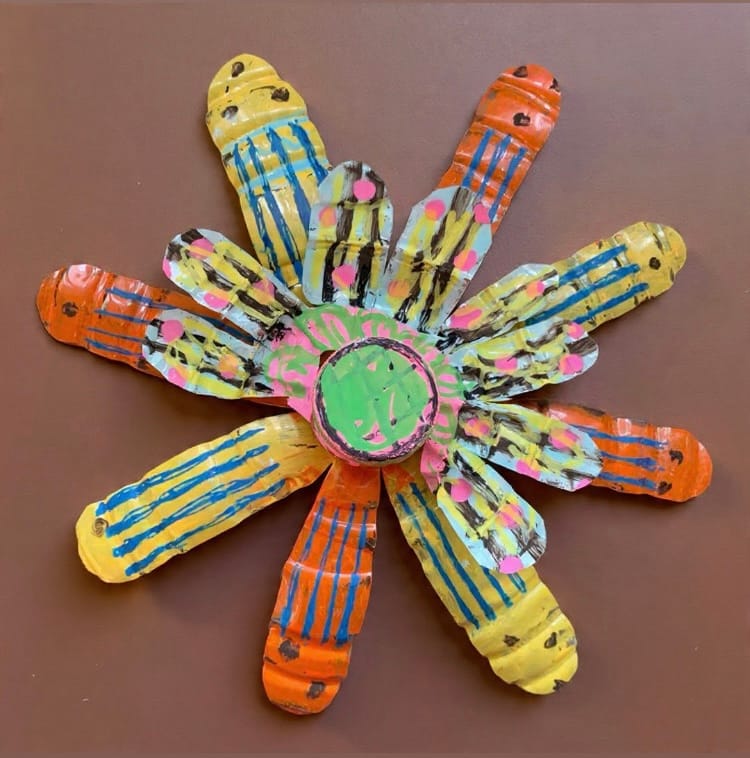
🎨 Step 2: Create a Folk-Art-Style Flower
Using inspiration from their research, students draw, paint, or collage their own folk art flower, using traditional patterns, colors, and styles. This gives them the chance to express cultural pride and creativity, while applying art techniques such as:
- Repetition and symmetry
- Stylized shapes
- Pattern and texture
- Use of bold or meaningful color
💬 Step 3: Share, Compare, and Reflect
Once all artworks are completed, we hold a gallery walk and “show & tell.” Students present their flowers, sharing:
- What culture or tradition inspired their art
- Any symbolic meanings or family stories connected to their design
- What they found most interesting or surprising
As a class, we then reflect:
- What similarities do we notice across the artworks?
- How are these flower symbols used around the world?
- What does this say about our shared human experience?
Students are often amazed to see how flowers—while different in style—carry similar meanings of life, love, celebration, and nature across cultures. This opens the door to rich conversations about interconnectedness, migration, and how art carries stories across generations.
🌍 Learner Profile Connections
This activity deeply supports the development of IB Learner Profile attributes:
- Open-minded: Students listen and learn from diverse perspectives and cultural backgrounds.
- Reflective: They think about their own identity and heritage through the lens of art.
- Knowledgeable: They gain cultural understanding through focused research and discussion.
- Caring: They show respect for others’ stories and traditions.
🧠 What They Take Away
By the end of this unit, students understand that while we all come from different places and traditions, we often express our experiences through similar artistic symbols. A flower, in its many forms, becomes a beautiful reminder that we are all connected through creativity, memory, and culture.
Tip for fellow educators:
This activity also makes a wonderful bulletin board or hallway display titled “A World of Flowers”—a celebration of cultural diversity and unity through student-created art.
How do your students connect art to their personal histories? Have you tried exploring symbols like flowers across cultures? I’d love to hear your ideas or see photos of your classroom galleries!